

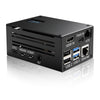
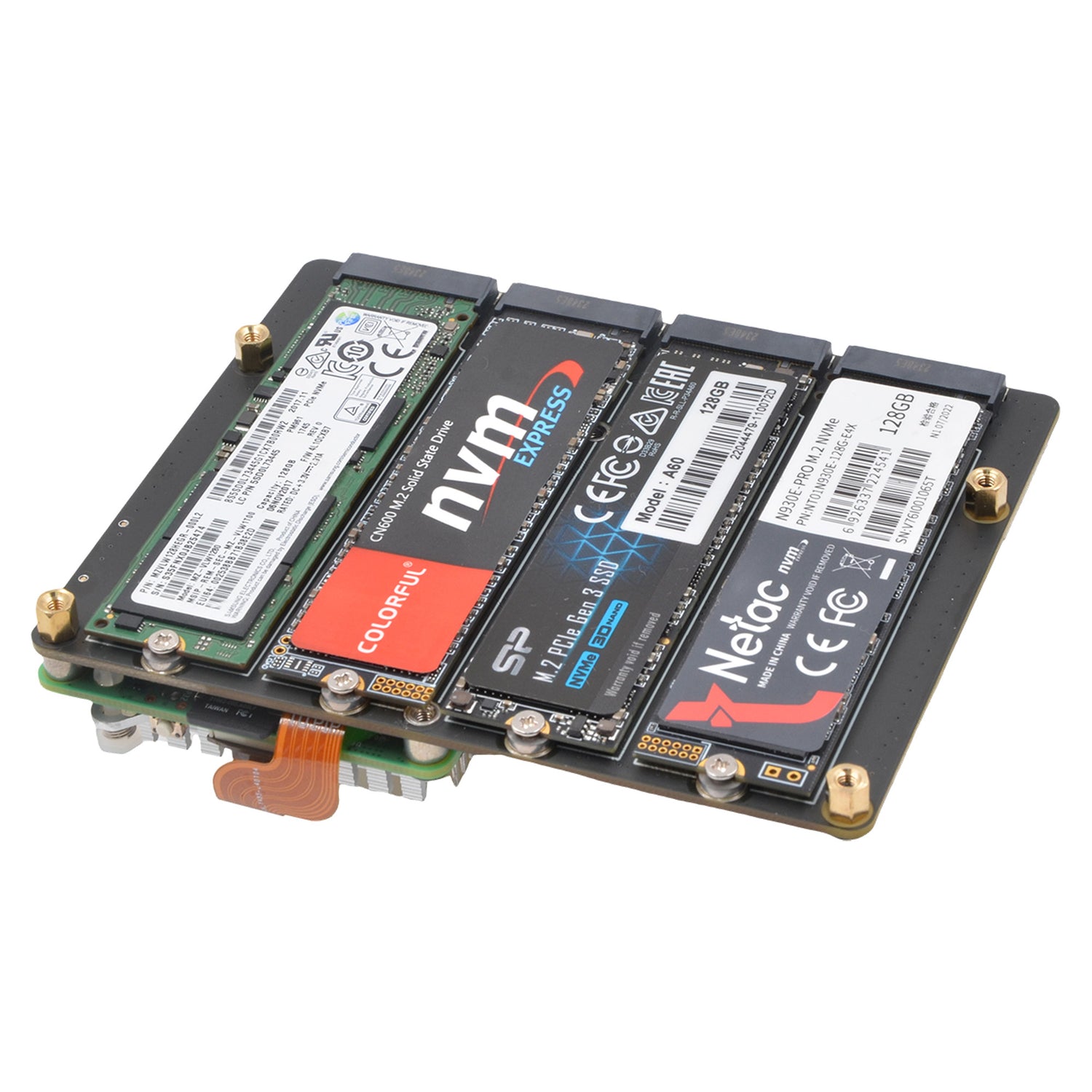



x1001 not able to read/write, RPi5, PICe/NVME WD Blue SN580 1 TB
-
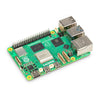
I just bought a Raspberry Pi. I'm installing headless and creating an AI, primary purpose is not image manipulation/identification.
The RPi 5 boots fine from the SD card. I can't seem to read/write at all to the SSD though it does seem to partially recognize the SSD.
I am using the WD Blue SN 580 1 TB NVME/SSD. I've checked and rechecked the cable and reseated the NVME.
I just want to know if this is NVME or the X1001 board? Here are the diagnostics I've done so far using an AI as my assistant. I also made the the necessary changes to the config.txt file posted elsewhere in the forums.lspci
0000:00:00.0 PCI bridge: Broadcom Inc. and subsidiaries BCM2712 PCIe Bridge (rev 21)
0000:01:00.0 Non-Volatile memory controller: Sandisk Corp WD Blue SN580 NVMe SSD (DRAM-less) (rev 01)
0001:00:00.0 PCI bridge: Broadcom Inc. and subsidiaries BCM2712 PCIe Bridge (rev 21)
0001:01:00.0 Ethernet controller: Raspberry Pi Ltd RP1 PCIe 2.0 South Bridge
The command
sudo nvme list
Node                  Generic               SN                   Model                                    Namespace Usage                      Format           FW Rev
--------------------- --------------------- -------------------- ---------------------------------------- --------- -------------------------- ---------------- --------
The command
sudo nvme id-ctrl /dev/nvme0n1
identify controller: Input/output error
The command
sudo nvme smart-log /dev/nvme0n1
smart log: Input/output error
And, finally, the command, sudo lspci -vvv | grep -A 20 NVMe
0000:01:00.0 Non-Volatile memory controller: Sandisk Corp WD Blue SN580 NVMe SSD (DRAM-less) (rev 01) (prog-if 02 [NVM Express])
	Subsystem: Sandisk Corp WD Blue SN580 NVMe SSD (DRAM-less)
	Control: I/O- Mem- BusMaster- SpecCycle- MemWINV- VGASnoop- ParErr- Stepping- SERR- FastB2B- DisINTx-
	Status: Cap+ 66MHz- UDF- FastB2B- ParErr- DEVSEL=fast >TAbort- <TAbort- <MAbort- >SERR- <PERR- INTx-
	Interrupt: pin A routed to IRQ 38
	Region 0: Memory at 1b80000000 (64-bit, non-prefetchable) [disabled] [size=16K]
	Capabilities: [80] Power Management version 3
		Flags: PMEClk- DSI- D1- D2- AuxCurrent=0mA PME(D0-,D1-,D2-,D3hot-,D3cold-)
		Status: D0 NoSoftRst+ PME-Enable- DSel=0 DScale=0 PME-
	Capabilities: [90] MSI: Enable- Count=1/32 Maskable- 64bit+
		Address: 0000000000000000  Data: 0000
	Capabilities: [b0] MSI-X: Enable- Count=65 Masked-
		Vector table: BAR=0 offset=00003000
		PBA: BAR=0 offset=00002000
	Capabilities: [c0] Express (v2) Endpoint, MSI 00
		DevCap:	MaxPayload 512 bytes, PhantFunc 0, Latency L0s <1us, L1 unlimited
			ExtTag- AttnBtn- AttnInd- PwrInd- RBE+ FLReset+ SlotPowerLimit 0W
		DevCtl:	CorrErr- NonFatalErr- FatalErr- UnsupReq-
			RlxdOrd+ ExtTag- PhantFunc- AuxPwr- NoSnoop+ FLReset-
			MaxPayload 128 bytes, MaxReadReq 512 bytes
		DevSta:	CorrErr+ NonFatalErr- FatalErr- UnsupReq- AuxPwr- TransPend-
		LnkCap:	Port #0, Speed 16GT/s, Width x4, ASPM L1, Exit Latency L1 <8us
Finally, to see if it was an error related to my not having initialized the NVME, I ran
sudo fdisk /dev/nvme0n1

Welcome to fdisk (util-linux 2.38.1).
Changes will remain in memory only, until you decide to write them.
Be careful before using the write command.

fdisk: cannot open /dev/nvme0n1: No such file or directory
My preferred AI suggests this is most likely a fault of the PCIe/NVME controller board.
